


 Send Inquiry
 Send Inquiry
Barium Peroxide
Barium Peroxide Specification
- Storage
- Store in cool dry and ventilated area away from incompatible materials like acids and organic substances
- Smell
- Odorless
- Taste
- Odorless taste
- Shelf Life
- Stable under recommended storage conditions
- Physical Form
- White crystalline solid or powder
- Molecular Weight
- 169.34 g/mol
- Appearance
- White crystalline solid or powder
- EINECS No
- 215-128-4
- CAS No
- 1304-29-6
- Usage
- Mainly in industrial processes involving oxygen release or peroxide production
- Application
- Used as an oxidizing agent in pyrotechnics and to prepare hydrogen peroxide
- Structural Formula
- Ba-O-O
- Melting Point
- 450°C (decomposes)
- Purity
- Typically 98% or higher
- Ph Level
- Alkaline
- HS Code
- 28164000
- Molecular Formula
- BaO2
- Poisonous
- YES
- Ingredients
- Barium and oxygen in a peroxide bond
- Density
- 4.96 Gram per cubic centimeter(g/cm3)
- Grade
- Industrial grade
- Properties
- Oxidizing reactive with acids thermal stability
- Shape
- Crystalline or powder form
- Solubility
- Insoluble in water soluble in acids
Barium Peroxide About
Barium Peroxide is an inorganic compound with the formula BaO2. This solid (gray when impure) is one of the widely used inorganic peroxides, and it was the first peroxide compound discovered. As an oxidizer and giving a different green color upon ignition (as do all barium compounds), it finds some use in fireworks. Free from impurity, Safe usage, Extended shelf life this Barium Peroxide is made available to our customers in different packaging options at very reasonable rates.
Oxidizing Applications
Barium Peroxide is valued as a potent oxidizing agent, especially in pyrotechnics and the manufacture of hydrogen peroxide. Its chemical reactivity enables efficient oxygen release, making it an important component in industrial processes requiring high-purity oxygen or peroxide compounds.
Safe Handling and Storage
To ensure stability and safety, Barium Peroxide should be stored in cool, dry, and ventilated conditions, preferably away from acids and organic substances. Adhering strictly to storage guidelines preserves its shelf life and reduces risks associated with its reactive and poisonous nature.
Physical and Chemical Properties
In its standard form, Barium Peroxide appears as a white crystalline solid or powder. It is odorless, alkaline, and insoluble in water but soluble in acids. With a melting point of 450C (decomposes) and high purity, it meets industrial standards for chemical processing and export.
FAQs of Barium Peroxide:
Q: How should Barium Peroxide be stored to maintain its stability?
A: Barium Peroxide should always be stored in a cool, dry, and well-ventilated area, away from incompatible substances such as acids or organic materials, to preserve its chemical stability and ensure safety.Q: What are the main uses of Barium Peroxide in industry?
A: Primarily, Barium Peroxide serves as an oxidizing agent in pyrotechnics and is instrumental in the preparation of hydrogen peroxide. It is also utilized in processes where controlled oxygen release is required.Q: When is Barium Peroxide most beneficial in industrial applications?
A: Barium Peroxide is particularly beneficial when a reliable source of oxygen is needed, such as during hydrogen peroxide production or pyrotechnic reactions that rely on strong oxidation.Q: Where can Barium Peroxide be sourced for industrial use?
A: Barium Peroxide of industrial grade, typically with 98% purity, can be obtained from specialized exporters, manufacturers, or suppliers based in India, meeting international quality and regulatory standards.Q: What safety precautions are required when handling Barium Peroxide?
A: Since Barium Peroxide is poisonous and highly reactive, handlers should use protective equipment, store it properly, and avoid contact with incompatible materials, especially acids and organic substances.Q: How does Barium Peroxide support hydrogen peroxide production?
A: Through its oxidizing action, Barium Peroxide reacts with acids to release oxygen, which is a key step in the industrial synthesis of hydrogen peroxide, ensuring efficient yield and purity.Q: What is the physical form and structural composition of Barium Peroxide?
A: Barium Peroxide is a white crystalline solid or powder composed of barium and oxygen in a peroxide bond, with the structural formula Ba-O-O, and is both odorless and tasteless.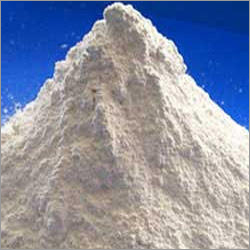
Tell us about your requirement

Price:
Quantity
Select Unit
- 50
- 100
- 200
- 250
- 500
- 1000+
Additional detail
Mobile number
Email

More Products in Chemical Compound Category
Sodium Nitrate
Price 120 INR / Kilograms
Minimum Order Quantity : 100 Kilograms
Poisonous : NO
Ph Level : Neutral (pH 7 in solution)
HS Code : 28342920
Density : 2.257 Gram per cubic centimeter(g/cm3)
Potassium Thiosulphate
Poisonous : NO
Ph Level : Typically 79 (in aqueous solution)
HS Code : 28323000
Density : 1.45 Gram per cubic centimeter(g/cm3)
Pregel Starch Oil Drilling Grade
Poisonous : NO
Ph Level : 7.0 8.0
HS Code : 11081200
Density : 1.45 Gram per cubic centimeter(g/cm3)
Ammonium Thiosulphate
Poisonous : NO
Ph Level : Approximately 7 when in aqueous solution
HS Code : 2832.30
Density : 1.45 Gram per cubic centimeter(g/cm3)

KHUSHI CHEMICALS
All Rights Reserved.(Terms of Use)
Developed and Managed by Infocom Network Private Limited.
Developed and Managed by Infocom Network Private Limited.

