


 Send Inquiry
 Send Inquiry
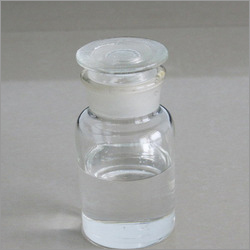
Potassium Thiosulphate
Potassium Thiosulphate Specification
- Solubility
- Highly soluble in water
- Molecular Weight
- 190.32 g/mol
- Shape
- Available as a liquid or solid crystal form
- Ingredients
- Potassium sulfur and oxygen
- Structural Formula
- S2O3^2- bonded to two K+ ions
- Properties
- Highly soluble in water stable under normal conditions forms mildly alkaline solution decomposes on heating
- Application
- Agriculture (fertilizers) photography (processing chemicals) and water treatment
- Ph Level
- Typically 7-9 (in aqueous solution)
- CAS No
- 10294-66-3
- Shelf Life
- 1-2 years under proper storage conditions
- HS Code
- 28323000
- Purity
- 98-99%
- Appearance
- Colorless to pale yellow liquid or white crystalline solid
- Taste
- Other
- Grade
- Agricultural grade Industrial grade
- Melting Point
- Not available (decomposes on heating)
- Usage
- Used primarily as a fertilizer to enhance potassium and sulfur nutrition; also used as a desiccant and defoliant in agriculture
- Smell
- Other
- Physical Form
- Other
- Refractive Rate
- Not available
- Storage
- Store in a cool dry place away from incompatible substances and humidity
- Density
- 1.45 Gram per cubic centimeter(g/cm3)
- Molecular Formula
- K2S2O3
- EINECS No
- 233-666-8
- Poisonous
- NO
Potassium Thiosulphate About
Optimized Plant Nutrition
Potassium Thiosulphate delivers essential potassium and sulfur nutrients, making it ideal for agricultural use. Its rapid solubility in water ensures quick absorption by crops, improving growth, resistance, and yield quality. Suitable for various soil conditions, it helps farmers increase productivity sustainably.
Versatile Applications
Beyond agricultural use, Potassium Thiosulphate serves effectively in water treatment and as a reagent in photographic processing. Its odorless nature and mild alkalinity offer benefits in industrial processes that demand high purity and stability.
Safe and Reliable Storage
This compound is non-poisonous and has a shelf life of 12 years if stored properly in cool, dry conditions away from humidity and incompatible substances. Its stability ensures consistent results and safe handling for exporters, manufacturers, and users.
FAQs of Potassium Thiosulphate:
Q: How should Potassium Thiosulphate be stored to maintain its quality?
A: Potassium Thiosulphate should be stored in a cool, dry place, away from humidity and incompatible substances, ensuring its purity and shelf life of 12 years.Q: What is the primary usage of Potassium Thiosulphate in agriculture?
A: It is primarily used as a fertilizer to enhance potassium and sulfur nutrition, promoting better growth, yield quality, and resistance in crops.Q: When should Potassium Thiosulphate be applied to crops?
A: It is typically applied during key growth stages when crops require enhanced potassium and sulfur for optimal development and productivity.Q: Where is Potassium Thiosulphate commonly exported from?
A: Potassium Thiosulphate is widely exported from India, where it is manufactured and supplied in both liquid and crystalline forms.Q: What process makes Potassium Thiosulphate beneficial for water treatment?
A: Its high solubility and stability facilitate efficient reactions in water treatment processes, assisting in the removal of contaminants and improving water quality.Q: How does Potassium Thiosulphate benefit photographic processing?
A: In photography, it acts as a processing chemical, supporting image development due to its mild alkaline properties and purity.Q: Is Potassium Thiosulphate poisonous or hazardous to handle?
A: No, Potassium Thiosulphate is not poisonous and is considered safe to handle under recommended storage and usage conditions.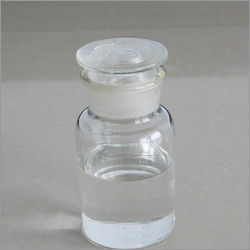

Price:
- 50
- 100
- 200
- 250
- 500
- 1000+

More Products in Chemical Compound Category
1-Hexadecylamine Liquid
Price 175 INR / Kilograms
Minimum Order Quantity : 100 Kilograms
Ingredients : Hexadecylamine as the primary compound
Shape : other
Solubility : Slightly soluble in water soluble in alcohol and organic solvents
Appearance : White to offwhite waxy solid
Sodium Nitrate
Price 120 INR / Kilograms
Minimum Order Quantity : 100 Kilograms
Ingredients : Sodium nitrate ion
Shape : other, Crystalline
Solubility : Highly soluble in water
Appearance : White crystalline solid
Calcium Hypochlorite
Price 136 INR / Kilograms
Minimum Order Quantity : 100 Kilograms
Ingredients : Calcium hypochlorite (Ca(OCl)) small amounts of calcium hydroxide and calcium chloride
Shape : other, Granules tablets or powder
Solubility : Soluble in water
Appearance : White or light gray solid
Ammonium Thiosulphate
Ingredients : Ammonium ions Thiosulfate ions
Shape : other, Crystalline form
Solubility : Highly soluble in water
Appearance : White crystalline solid

Developed and Managed by Infocom Network Private Limited.

