


 Send Inquiry
 Send Inquiry
Papain Enzyme
Papain Enzyme Specification
- Salt Composition
- Papain (from Carica papaya)
- Dosage Form
- Powder
- Indication
- Proteolytic enzyme for protein hydrolysis, digestive aid, tenderizer
- Enzyme Types
- Protease
- Feature
- High purity, high activity, non-GMO, gluten-free
- Ingredients
- Pure Papain Enzyme
- Application
- Food processing, brewing, meat tenderizing, pharmaceuticals, cosmetics
- Ph Level
- pH 5.0-7.0 (optimal activity)
- Temperature Needed For Fermentation
- 55-65°C for optimal enzymatic activity
- Physical Color/Texture
- Off-white to light yellow, fine powder
- Fermentation Smell
- Characteristic, slightly fruity odor
- Enzymatic Activity
- Minimum 100 TU/mg (Tyrosine Unit/mg) or as per specification
- Storage Instructions
- Store in cool, dry place, tightly sealed
- Shelf Life
- 24 months from date of manufacturing if unopened and stored properly
- Solubility
- Soluble in water
- Particle Size
- 95% passes through 80 mesh
- CAS Number
- 9001-73-4
- Packaging Type
- Sealed HDPE drums or fiber drums with inner double poly bags
- Loss on Drying
- <8.0%
- Microbial Purity
- Free from E. coli and Salmonella
- Storage Temperature
- Below 25C
- EC Number
- 3.4.22.2
- Allergen Information
- Allergen-free
- HS Code
- 350790
- Heavy Metals
- <10 ppm (as per food/pharma standards)
- Appearance
- Hygroscopic powder
Papain Enzyme About
Papain Enzyme is mainly present in the leaves of latex root that crystalizes the breakdown of proteins by hydrolysis. It is a very powerful mainly found and extracted from the papaya fruit, it is also referred to as papaya proteinase. It plays a key role in digestive processes engaging breaking down tough protein fibres. It gives marked ability to increase the total digestive process and enhance the nutrient absorption of protein-based foods. Its ability to break down proteins also means that it can play a vital role in different normal physiological processes and influence disease processes for the good.
Packaging Size
1-25kg
Packaging Type
Packed in PP bags
Shelf Life
1 Year
Payment Terms
T/T
Packaging Details
25 kgs nett in new hdpe bags
| Use | Industrial |
| Color | Yellow |
| Form | Powder |
Superior Quality and Safety
Papain Enzyme is manufactured under rigorous microbial and heavy metal controls, guaranteeing absence of E. coli, Salmonella, and heavy metals below 10 ppm. Its allergen-free profile and compliance with food/pharma standards make it a safe choice for multiple industries.
Versatile Applications Across Industries
With its potent proteolytic activity, Papain Enzyme supports diverse processes including protein hydrolysis, food processing, brewing, meat tenderizing, pharmaceuticals, and cosmetics. Its high purity and activity ensure reliable results for manufacturers, exporters, and suppliers.
Optimized Packaging and Shelf Stability
Packaged in sealed HDPE drums or fiber drums with double poly liners, Papain Enzyme retains freshness and quality. When stored below 25C in a cool, dry place, its shelf life extends up to 24 months, maintaining high activity and safety.
FAQs of Papain Enzyme:
Q: How is Papain Enzyme stored to maintain its quality and activity?
A: Papain Enzyme should be kept in a cool, dry place below 25C in tightly sealed packaging such as HDPE or fiber drums with double poly liners. Proper storage ensures it remains active and pure for up to 24 months from manufacturing.Q: What industries use Papain Enzyme and for what purposes?
A: Papain Enzyme is utilized in food processing (for protein hydrolysis and meat tenderizing), brewing, pharmaceuticals (digestive aid), and cosmetics due to its strong protease activity and high purity.Q: When does Papain Enzyme exhibit optimal enzymatic activity?
A: Papain performs best at a pH range of 5.0 to 7.0 and a temperature of 55-65C, ensuring efficient protein hydrolysis and tenderizing in relevant processes.Q: Where is Papain Enzyme produced and how is it packaged for export?
A: Papain Enzyme is manufactured and exported from India, packaged in sealed HDPE drums or fiber drums with inner double poly bags to ensure product integrity during storage and transport.Q: What benefits does Papain Enzyme provide in food and pharmaceutical applications?
A: Papain Enzyme offers high activity and purity, facilitating efficient protein breakdown, enhancing digestion, and improving tenderness in foods. It complies with food/pharma safety standards and is allergen-free, making it suitable for sensitive applications.Q: How is Papain Enzyme processed for use in manufacturing?
A: Papain is provided in powder form, passing through 80 mesh for fine consistency, and is used by dissolving in water at controlled pH and temperature, ensuring maximum enzymatic activity for industrial processes.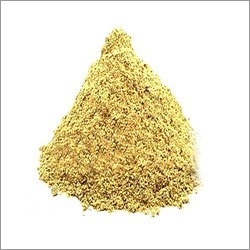
Tell us about your requirement

Price:
Quantity
Select Unit
- 50
- 100
- 200
- 250
- 500
- 1000+
Additional detail
Mobile number
Email


KHUSHI CHEMICALS
All Rights Reserved.(Terms of Use)
Developed and Managed by Infocom Network Private Limited.
Developed and Managed by Infocom Network Private Limited.

